
10 best apologetics books for teens: Tips for the ‘Open Generation’
This post contains affiliate links. By using these links to make a purchase, you’re helping Faith Storytellers continue to share Christian testimonies and faith resources.
When it comes to the best apologetics books for teens, I recommend short books that are relatively easy to read.
And, critically, books that don’t skip diving into the big questions of the Christian faith.
Like many of us, high school students benefit from relatable stories and discussion questions.
This list of 10 Christian apologetics books for teens is specifically written for students, and many take a practical approach to understanding and defending their faith.
I appreciate how these books tackle the main objections students hear about the Christian faith and counter them with relatable stories, logic, and research.
When a student in our youth group said she wasn’t sure if she believed — an adult in her life was a staunch atheist — I knew “Case for Christ: Student Edition” would be a good fit.
She was already watching videos online about Christianity, and since I wasn’t familiar with who she was following, I wanted to make sure she had information from a high-quality source.
Plus, I thought she would relate to author Lee Strobel, a former atheist who converted after investigating Christianity as a journalist.
With several books in his “Case for Christ” series, his books offer multiple entry points to apologetics for teens.
Apologetics books and resources for teens
-
I’ve personally gifted “The Case for Christ: Student Edition” to a teen who was wrestling with the big questions when she arrived mid-year at youth group.
I appreciate how it tackles the main objections students have or hear about the Christian faith.
-
The most popular book on this list among our reader is “10 Questions Every Teen Should Ask (and Answer) about Christianity.”
And for good reason: Growing up in London in a Christian home, Rebecca McLaughlin attended a school where Christianity was viewed as irrelevant.
She told Spine Magazine, "I was either brave enough or foolish enough to call an assembly at school, when I was about 12, on why I was a Christian."
-
The apologetics books for teens will teach the youth in your life how to think.
They will lay out the logic, the evidence, and the powerful story of the Christian faith so they are equipped to understand and defend their beliefs.
I would be remiss if I didn’t also recommend the The CSB Apologetics Study Bible: Teen Edition.
It’s the perfect companion to any book on this list because of its Scriptural notes and apologetic articles.

Tips for sharing apologetic books with teens
Before I bring an apologetics book to share with a student, I always ask if it’s OK first.
I find this gentle approach works well, especially with students who are doubting their faith or who have adults who are atheists or agnostics.
You just never know what kind of arguments they’re having over religion at home, and I never want to make them feel uncomfortable or put on the spot.
Skeptical teens already have their guard up, and they’re already doing the hard task of showing up at church.
So I want to make feeling like they belong and that their questions are welcome.
Why not just give a high school student a book?
Giving teens a choice of whether to accept an apologetics book recognizes the autonomy they crave at this age: To decide for themselves.
Whether it’s deciding on reading a book I recommend or deciding to believe in Jesus, I’ve found teens are often more receptive when I ask if they’re open or interested first.
It’s also acknowledging their free will: How they engage with faith is not their parents’ decision, nor is it my decision. It’s up to them.
When looking for apologetics books for youth ministry, I also try to match the student to the book. Some present a logical defense of faith, while other books, like “Case for Christ,” are question and story-based.
Also, when I gift a book — even when I call it a loan — I never actually expect the book back.
I do ask them to tell me what they think, and I pray that God meets them in their questions with answers that overflow.
Teen apologetics books answer many questions the ‘Open Generation’ ask
Middle school and high school students have told me they’re watching videos and seeking answers online as they explore Christianity.
While leading a seventh-grade youth group, I was surprised by how many said they looked on social media for answers to their questions about faith.
The Gen Z generation is highly curious about God, which is exciting!
Researchers at Barna say that teens are far more interested in learning about God than adults may realize.
The majority of U.S. teens (52%) are very motivated to learn about God.
Three out of four teens are motivated (somewhat or very motivated) to learn.
They tend to believe “something out there more powerful than them” — but they’re unsure what, and many remain skeptical and have questions about religion or attending church.
Which means that the teen in your life may be curious and just waiting for the opportunity to discuss, question, and explore.
There’s a reason Gen Z has been called the “Open Generation!”
Why study apologetics as a teen or young adult?
As a teenager, I wanted to explain my Christian convictions, but didn't have a game plan.
I often avoided faith-based conversations with nonbelievers, as I was unsure how to respond.
If I'm honest, I also didn't have the time, attention span, or inclination to dive into an intellectual and jargon-filled explanation of faith.
If someone handed me a Christian apologetics book that felt like an academic textbook, I wouldn't have opened it!
Of course, that’s not the case for every teen.
Some are designed for a more academic study of apologetics and should be directed to different books.
If that’s your kid, consider gifting them the CSB Apologetics Study Bible: Youth Edition.
10 great teen apologetics books
I’ve found apologetics books are helpful for teens defending their faith or answering questions from their peers, in addition to skeptical teens seeking answers about God.
Many of the books below are formatted specifically for teens: with questions, with stories, and with short formats.
1. ‘More Than a Carpenter’ by Josh McDowell
Josh McDowell, a skeptic and agnostic in college, ridiculed Christians and set out to disprove Jesus' claims through research.
Yet the evidence convinced him that Jesus is God, leading to his conversion.
He wrote the book to share his personal journey and has updated “More Than a Carpenter” for its second edition to tackle questions such as, “How can I find meaning?”
They are both top apologetics books that teenagers should read as they learn to defend their faith.

Rebecca McLaughlin wrote “10 Questions Every Teen Should Ask (and Answer) about Christianity” specifically with students and teenagers in mind.
Growing up in London in a Christian home, she attended a school where Christianity was viewed as irrelevant.
She told Spine Magazine, "I was either brave enough or foolish enough to call an assembly at school, when I was about 12, on why I was a Christian."
Among our readers, this is one of the most popular apologetics books for Christian teens and youth.
It’s a more accessible adaptation of her apologetics books, “Confronting Christianity,” and is designed to help young people wrestle with modern doubts and cultural pressures.
3. ‘The Case for Christ Student Edition’ by Lee Strobel
As a journalist, Lee Strobel was an atheist who decided to prove that Christianity was wrong.
Instead, he discovered the reliability of the Bible and gave his life to Christ.
Strobel used his interviewing and investigative skills to review the historical evidence for Jesus. It was first published as a book for adults.
The student edition shares stories teens may identify with. When Strobel was 14 years old, for example, he learned about Darwin’s theory of evolution in biology class — and lost faith in God.
But more importantly, regaining his faith as an adult.
I’ve personally shared this book with teens and believe it’s a great apologetics resource for equipping teens and high school students to understand and defend their faith.
As a young man in the 1960s, Greg Koukl rejected Christianity, viewing God as a restrictive killjoy and believing he was too smart for faith.
A broken relationship prompted him to reexamine his worldview, leading to his conversion.
Drawing from decades of honest conversations, he wrote “Tactics” to equip everyday Christians — not just experts — with simple, graceful strategies to navigate discussions confidently.
For example, he shares how to use “Columbo” tactics to ask clarifying questions, such as, “What do you mean by that?’

Paul Copan wrote “True for You, But Not for Me” to help Christians unsure how to respond to the culture’s growing acceptance of relativism and pluralism.
The book deflates common slogans that leave believers speechless, providing concise and thoughtful rebuttals.
It will help teens navigate school and cultural conversations about Christianity, including common objections and assertions.
It’s a great apologetics resource for equipping teens to prepare for defending their faith.
J. Warner Wallace grew up in a nominally religious home and defaulted to atheism. During his teens and young adult years, he openly mocked Christians.
After becoming a cold-case homicide detective as an adult, he decided to use his investigative skills to examine the Gospels as an eyewitness account, just as he would as a detective.
What he discovered convinced him of the reliability of Jesus and the resurrection, leading to his conversion.
Wallace wrote “Cold-Case Christianity” to share this detective approach, making the case for Christianity's truth accessible and exciting through stories and visuals.
He’s also written a “Cold-Case Christianity for Kids.”
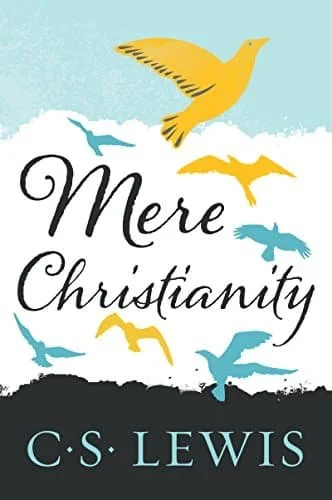
C.S. Lewis was raised in a Christian family but rejected faith in his early teens, becoming a committed atheist after his mother's death.
He lived as an atheist through his 20s until intellectual discussions with friends like J.R.R. Tolkien led to his conversion in his early 30s.
“Mere Christianity” originated as WWII BBC radio broadcasts where Lewis, as a layman and former skeptic, explained and defended the core beliefs shared by all Christians.
The book focuses on "mere" or essentials to unite believers weary from war and facing uncertainty.
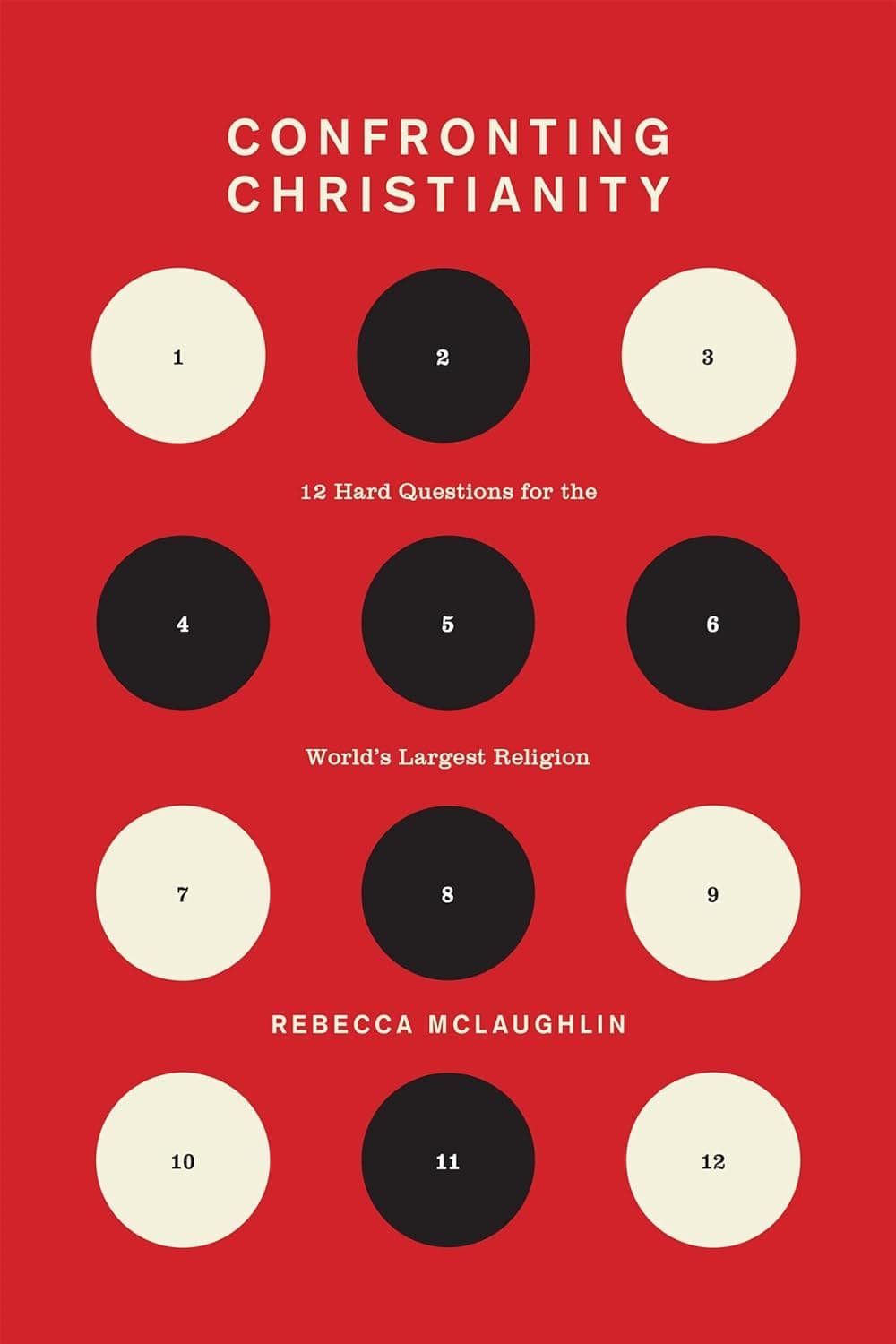
Raised in a Christian family in the UK, Rebecca McLaughlin boldly called a school assembly at age 12 to explain why she was a Christian, despite attending secular schools where faith was seen as odd.
Drawing from years of facilitating conversations at The Veritas Forum with top academics, she wrote “Confronting Christianity” to tackle 12 hard questions head-on.
That includes objections to Christianity, such as the existence of suffering and how it relates to science.
This book equips believers and invites skeptics to engage.

Norman Geisler attended a non-denominational evangelical church from age nine but resisted conversion until his late teens, finally committing to Christianity at age 18.
Frank Turek grew up in a Catholic family in New Jersey, where he wrestled with more profound questions about faith and belief as a teenager.
When writing “I Don't Have Enough Faith to Be an Atheist,” they drew from decades of experience teaching apologetics as part of a campus ministry.
Their book presents a logical, step-by-step case showing Christianity is more reasonable than atheism or other worldviews.
It’s a top apologetics book that teenagers should read, especially if they are likely to encounter atheists at school or in the workplace.
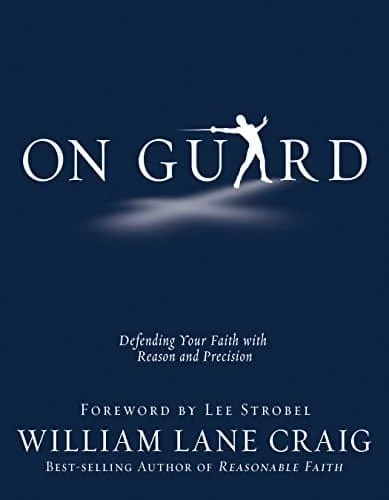
As a junior in high school, William Lane Craig first heard the Gospel message from a classmate.
He was overwhelmed by the realization that God loves him personally.
He went on to earn two doctorates (in philosophy and theology) and wrote academically-oriented theology and apologetics books.
Urged by his wife to make his scholarly work more accessible, he wrote “On Guard” as a concise, illustrated training manual with clear philosophical arguments.
It also includes practical tools to equip everyday Christians — especially motivated students — to defend their faith confidently with reason and precision.
Bonus: Apologetics Study Bible: Student Edition
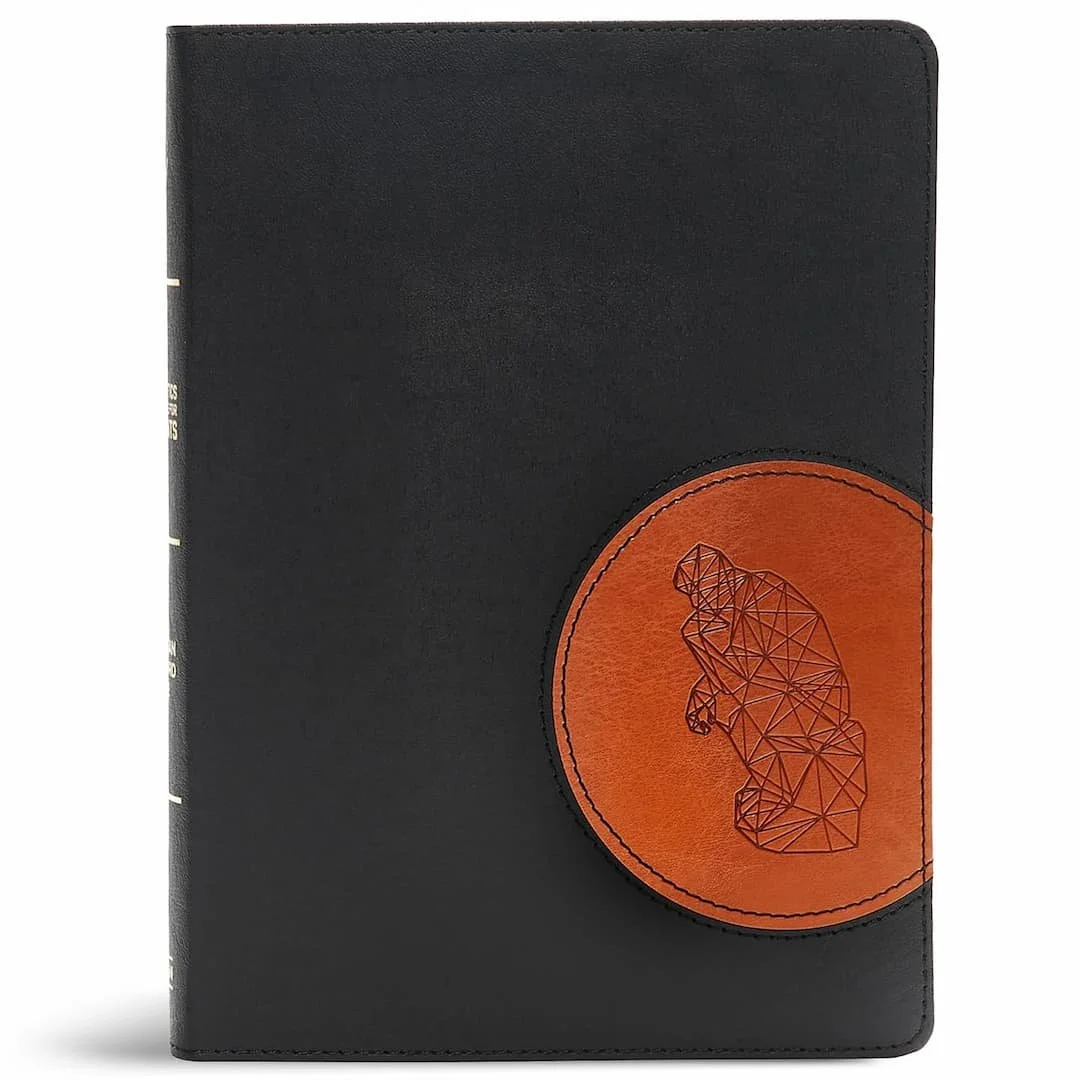
What makes the CSB Apologetics Study Bible Student Edition especially powerful is its thoughtful design for busy high school students.
It includes helpful features like “Twisted Scripture” explanations that correct common misunderstandings, “Bones & Dirt” archaeological insights that show the Bible’s reliability, and real-life personal stories of God at work.
Teens don’t just read facts; they discover how to defend their faith with gentleness and respect while growing closer to Jesus.
Pair the Apologetics Study Bible with one of the apologetics books for teens on the list, and you’ve got a powerful one-two punch. You’re pairing a book that teaches you how to think with the powerful Word of God.
➡️ Looking for uplifting faith encouragement? Join our free newsletter to receive devotional stories, journaling prompts, book recommendations, movie suggestions, and more!
Looking for more Christian books?
Apologetics books (defense of faith)
➡️ Our guide to apologetics books for beginners
➡️ Our viral guide to the 30 best apologetics books
➡️ The best apologetics study Bible
➡️ Great apologetics books for parents
➡️ The 10 best apologetic books for teens
➡️ Top apologetic picture books to build a foundation
➡️ 7 great early church history books

Mackenzie Ryan Walters is the author of “Faith Storytellers: Unleash the Power of Your Story,” which shares Christian testimonies and stories, as well as curated lists about Christian books, gifts, and more. A national award-winning education journalist who’s covered a presidential campaign and been inside NASA, Mackenzie now edits the Faith Storytellers website and is passionate about lifting up and sharing the story God is writing in the world.
This post contains affiliate links. By using these links to make a purchase, you’re helping Faith Storytellers continue to share inspiring stories of God’s work in the world.